
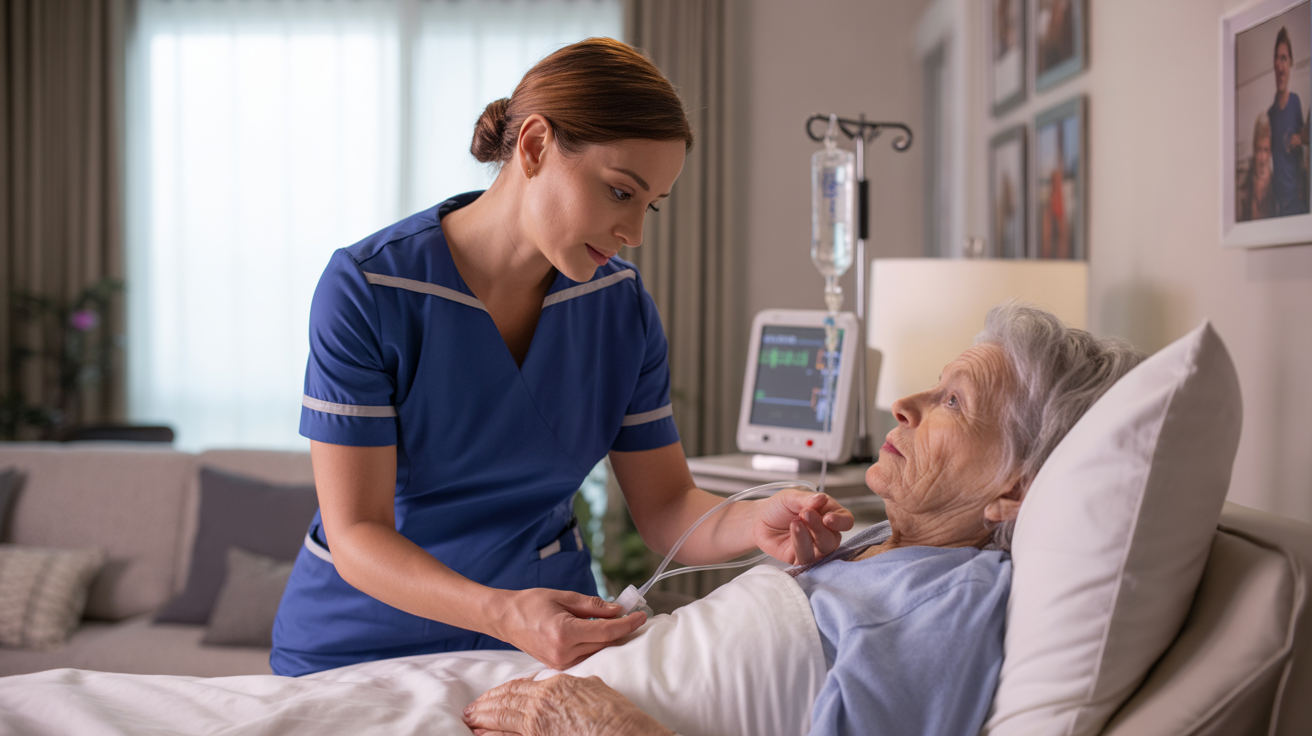
Getting complex care at home can change your life if you have long-term or multiple health issues. This support gives you regular medical care, expert supervision, and skilled help. It lets you live as independently and comfortably as you can.
Complex care meets your needs right in your home. It fills the gap between hospital care and home life. It brings dignity, safety, and a better quality of life. This way, you can manage your health and wellbeing better.
This guide will cover the basics of complex care at home. You’ll learn what to expect and how to get the support you need.
Key Takeaways
- Complex care at home provides specialist support for individuals with serious medical needs.
- It enables you to live independently and comfortably in your own home.
- Complex care bridges the gap between hospital-level treatment and home life.
- You can expect dignity, safety, and a better quality of life with complex care at home.
- This guide will help you understand the essentials of complex care at home.
Understanding Complex Care Needs
It’s key to grasp the details of complex care needs for effective support at home. Complex care covers a wide range of needs. This includes nurse-led care planning, managing medical equipment, regular treatments, and constant supervision.
Defining Complex Care in a Home Setting
Complex care at home means giving specialised care to those with serious health issues. It’s for people needing a ventilator, tube-feeding, or living with severe neurological or genetic disorders. It also includes those getting palliative or end-of-life care.
Common Conditions Requiring Specialised Care
Many conditions need complex care. This includes motor neurone disease and multiple sclerosis. People with these conditions need a detailed care plan. This plan covers their physical, cognitive, and emotional needs.
Conducting a Comprehensive Needs Assessment
A detailed needs assessment is essential for a good care plan. It should look at:
- Physical needs, like mobility aids and medical equipment.
- Cognitive and emotional needs, including mental health and cognitive function support.
Physical Requirements
Checking physical needs means looking at mobility, dexterity, and medical equipment needs. This helps make a safe and supportive space.
Cognitive and Emotional Needs
Cognitive and emotional needs are also critical. This involves understanding mental health, cognitive function, and emotional wellbeing. It helps in providing the right support and interventions.
With a thorough needs assessment, caregivers can craft a care plan that meets the individual’s specific needs. This improves their quality of life.
Creating a Suitable Home Environment
Turning your home into a safe and accessible space is key for top-notch complex care. You need to make changes to make it safe and comfy for those with complex needs.
Essential Home Modifications for Safety
Several important changes can make your home safer. Installing handrails, removing tripping hazards, and better lighting are a few. These steps can really cut down accident and injury risks.
Setting Up a Dedicated Care Space
A special care area can boost care quality and efficiency. It should have all the medical gear and supplies needed. It should also be set up to reduce the need for moving around, easing the strain on caregivers.
Accessibility Improvements
It’s important to make your home easy to get around for those with complex needs. This means making changes like widening doorways and adding ramps. These adaptations help a lot.
Bathroom Adaptations
Bathrooms need special attention for safety and ease of use. Installing walk-in showers, grab bars, and raised toilet seats helps a lot. These changes can really lower fall risks and make the bathroom safer.
Bedrooms also need careful thought for comfort and safety. Using a hospital bed, adding bed rails, and making sure it’s well-lit and easy to get to are good ideas. These steps help a lot.
By making these changes, you can make your home safe and supportive. This lets people with complex needs get great care in their own homes.
Essential Equipment and Supplies
To handle complex care challenges, you need the right medical equipment and daily living aids. Having the right supplies improves care quality.
Medical Equipment Essentials
Medical equipment is key for managing health issues. You’ll need:
- Hospital beds and mattresses for comfort and pressure relief
- Wheelchairs and mobility aids for safe movement
- Monitoring equipment like blood pressure machines and oxygen saturation monitors
- Respiratory equipment such as ventilators and nebulizers
Daily Living Aids and Assistive Technology
Daily living aids and assistive technology boost independence and quality of life. Examples include:
- Bathroom aids like shower chairs and grab bars
- Kitchen aids such as adaptive utensils and easy-to-use appliances
- Communication devices for those with speech or hearing impairments
Emergency Supplies Checklist
Being ready for emergencies is key. Your emergency supplies checklist should have:
First Aid Essentials
- First aid kits with bandages, antiseptic wipes, and pain relievers
- Emergency medications and equipment like EpiPens
Power Outage Preparations
- Backup power sources such as batteries and portable generators
- Flashlights and extra batteries
- Non-perishable food and water supplies
By focusing on these areas, you’re ready to provide complex care at home. You’ll be prepared for any unexpected challenges.
Building Your Care Team
Creating an effective care team means combining professional healthcare support and family caregivers. This teamwork ensures all care needs are met. It’s about working together for the best care.
Professional Healthcare Support Options in the UK
In the UK, you can find many healthcare support options. These include district nurses, specialist nurses, and healthcare assistants. They offer medical care, wound management, and more. It’s key to figure out what your loved one needs to pick the right team members.
Family Caregiver Roles and Responsibilities
Family caregivers are essential for those with complex needs. They help with daily tasks, manage medicines, and offer emotional support. Good communication between family and professionals is vital for quality care.
Coordinating with NHS Specialists and GPs
Working with NHS specialists and GPs is important for full care. You should set up a clear way to talk with them about care plans and treatments.
Effective Communication Strategies
Good communication means keeping a care diary and using a shared plan. Regular meetings also help. These steps ensure everyone knows the care needs.
Managing Care Transitions
Smooth care transitions, like hospital discharges, need planning. Collaborate with healthcare teams to keep care consistent and seamless.

The Ultimate Guide to Complex Care at Home: Daily Management
To give top-notch complex care at home, a detailed daily plan is essential. This plan should cover care routines, managing medicines, and watching health signs closely.
Creating Effective Care Routines and Schedules
Having a daily routine is key for managing complex care needs. It gives a clear plan for caregivers and those receiving care. The routine should fit the person’s needs, likes, and energy levels.
Make a schedule for personal care, taking medicines, eating, and fun activities. Being flexible is important. You need to adjust to changes in needs.
Medication Management Strategies
Managing medicines well is very important in complex care. Use a pill box or calendar to keep track of medicines. This helps avoid missing doses.
Keep a record of when and how much medicine is given. Talking to healthcare professionals about medicines regularly is also important. They can spot any problems or side effects.
Monitoring Health Indicators
Watching health signs closely is key for catching changes early. This means tracking different health measures and knowing when to get medical help.
Essential Vital Signs to Track
Important vital signs to watch include:
- Body temperature
- Pulse rate
- Breathing rate
- Blood pressure
- Oxygen saturation levels
Recording these signs regularly helps spot trends or big changes. These might need medical help.
When to Contact Healthcare Professionals
Knowing when to call healthcare professionals is vital. Seek urgent medical help for serious symptoms like trouble breathing, chest pain, or a big change in awareness. For less urgent issues, having a good way to talk to the care team is helpful. They can offer advice and help quickly.
By using these daily management tips, you can make care at home better. This improves the health and happiness of those with complex care needs.
Specialised Care Techniques
When caring for someone with complex needs at home, it’s essential to master specialised care techniques. These techniques are vital for ensuring the safety, comfort, and well-being of the individual receiving care.
Safe Moving and Handling Procedures
Safe moving and handling are critical to prevent injuries to both the caregiver and the person being cared for. Proper techniques involve assessing the individual’s mobility and using appropriate equipment such as hoists or slide sheets. Training in manual handling is critical to avoid strain and harm.
You should also consider the environment, ensuring that the space is clear of obstacles and that the floor is not slippery. Using furniture with handles or grab rails can assist in safe transfers.
Nutrition and Hydration Support
Adequate nutrition and hydration are fundamental to maintaining health. You need to assess the individual’s dietary needs and preferences, potentially consulting with a dietitian. Assisting with meals may involve helping with feeding, using adaptive utensils, or managing a feeding tube if necessary.
Monitoring fluid intake is equally important, as individuals with certain conditions may struggle to drink. Caregivers should be aware of signs of dehydration and know how to encourage fluid intake.
Managing Complex Medical Procedures
Managing complex medical procedures at home requires careful planning and execution. This includes understanding how to perform specific medical tasks safely and effectively.
Wound Care and Pressure Sore Prevention
Proper wound care involves cleaning, dressing, and monitoring the wound for signs of infection or healing. You should be trained in the specific dressing techniques recommended by healthcare professionals.
Preventing pressure sores requires regular repositioning of the individual, using pressure-relieving equipment, and maintaining good skin hygiene. Regular inspections of vulnerable areas are critical.
Respiratory Support and Suctioning
For individuals with respiratory conditions, providing respiratory support may involve using oxygen therapy equipment or ventilators. Caregivers must understand how to operate these devices and monitor oxygen saturation levels.
Suctioning is another critical skill, necessary for removing secretions from the airways. This procedure requires careful technique to avoid causing trauma or infection.

By mastering these specialised care techniques, you can significantly enhance the quality of care provided at home, ensuring the individual’s safety and comfort.
Emergency Planning and Crisis Management
When caring for someone with complex needs, being ready for emergencies is key. Good emergency planning can really make a difference in a crisis.
Developing an Emergency Action Plan
Making a detailed emergency action plan is the first step in managing crises. This plan should cover what to do in emergencies, like who to call and what medicines are needed.
Key parts of an emergency action plan are:
- Contact details for emergency services and family members
- A list of the individual’s medications and dosages
- Steps for different emergencies (e.g., fire, medical crisis)
Recognising Warning Signs of Deterioration
It’s important to spot early signs of getting worse. Caregivers should watch for things like more pain, trouble breathing, or changes in how they think or feel.
Working with Emergency Services
When an emergency happens, working well with emergency services is key. This ensures the person gets the right care quickly.
What Information to Have Ready
Having the right info ready can help emergency services respond better. This includes:
| Information Type | Details |
|---|---|
| Medical History | List of conditions, allergies, and medications |
| Contact Information | Emergency contacts, GP details, and next of kin |
| Care Plan | Summary of the individual’s care needs and preferences |
Hospital Admission Preparation
Being ready for hospital by having documents and info ready can help. It reduces stress and keeps care going smoothly.
Key documents to have ready include:
- Medical records and test results
- Care plans and medication lists
- Contact information for caregivers and family members
Navigating UK Healthcare and Financial Support
When caring for a loved one at home, it’s key to know about UK healthcare and financial help. These resources can greatly improve the care you give and your financial situation.
NHS Continuing Healthcare Funding
NHS Continuing Healthcare Funding covers care for those with big ongoing needs. To get it, a person must be seen as needing a ‘primary health need’.
“The NHS Continuing Healthcare funding process involves a thorough check of an individual’s care needs. This decides if they get a fully funded care package.”
Local Authority Care Assessments
Local authorities check care needs and offer social care support. They figure out how much care is needed and what you’ll have to pay.
Benefits and Allowances for Carers
Carers might get benefits like Carer’s Allowance and Personal Independence Payment. These help with the costs of caring for someone.
Carer’s Allowance
Carer’s Allowance is a weekly payment for those caring for over 35 hours a week. It’s for those with big care needs.
Personal Independence Payment
Personal Independence Payment (PIP) helps with extra costs of a long-term health issue or disability. It’s not based on how much you earn. It depends on your care and mobility needs.
| Benefit | Eligibility Criteria | Payment Details |
|---|---|---|
| Carer’s Allowance | 35+ hours care/week; earning £128/week or less | Weekly payment: £76.75 |
| Personal Independence Payment | Daily living and/or mobility needs affected | Standard Rate: up to £101.75/week |
Knowing about these benefits can really help with caring for your loved one. It can also ease the financial pressure.
Conclusion: Sustaining Quality Complex Care at Home
Keeping quality complex care at home is a big job that needs a lot of effort. You’ve learned how to make a good home setting, build a care team, and find financial help.
It’s key to keep checking and updating your care plan. This makes sure it fits the person’s needs well. Also, don’t stop looking for help from health experts and using UK resources like NHS Continuing Healthcare Funding and Local Authority Care Assessments.
By keeping a safe and easy-to-get-to home, having the right care team, and getting financial support, you can keep complex care going. This hard work helps you deal with home care challenges. It makes life better for the person getting care and their family too.